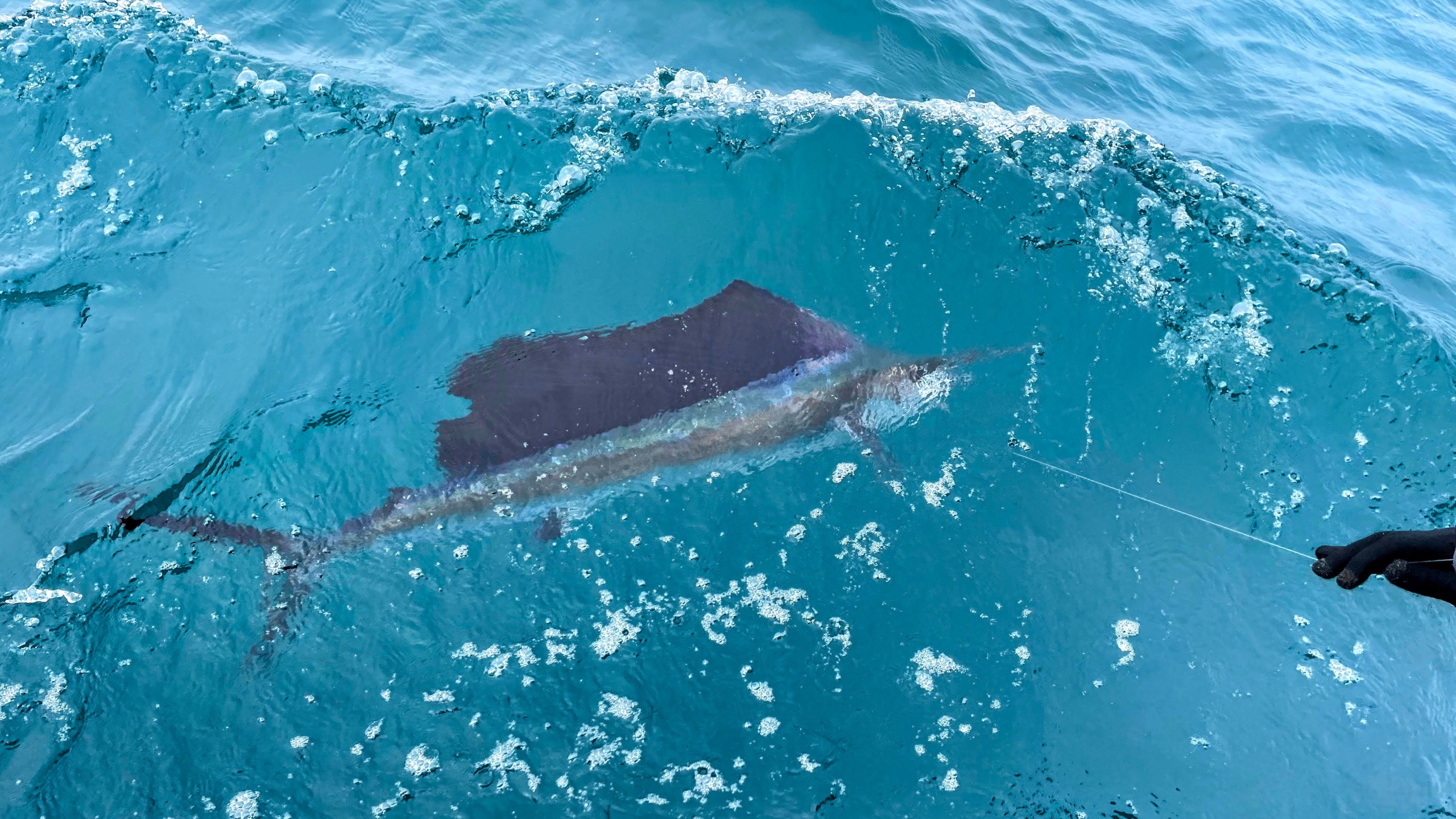
Tioman Island Sailfish Expedition: Part 1
The First Three Days.
This has to be one of the most adventurous fishing expeditions ever attempted from Tioman Island. Riku and his team are finally back, bringing along a group of anglers from Finland for an offshore fishing adventure with one mission in mind, to catch Pacific Sailfish. Five of them took a flight from Singapore and charter a transport from the island to Kuala Rompin Pahang. Happy to have 5 veteran anglers with Fishyology fishing expeditions.
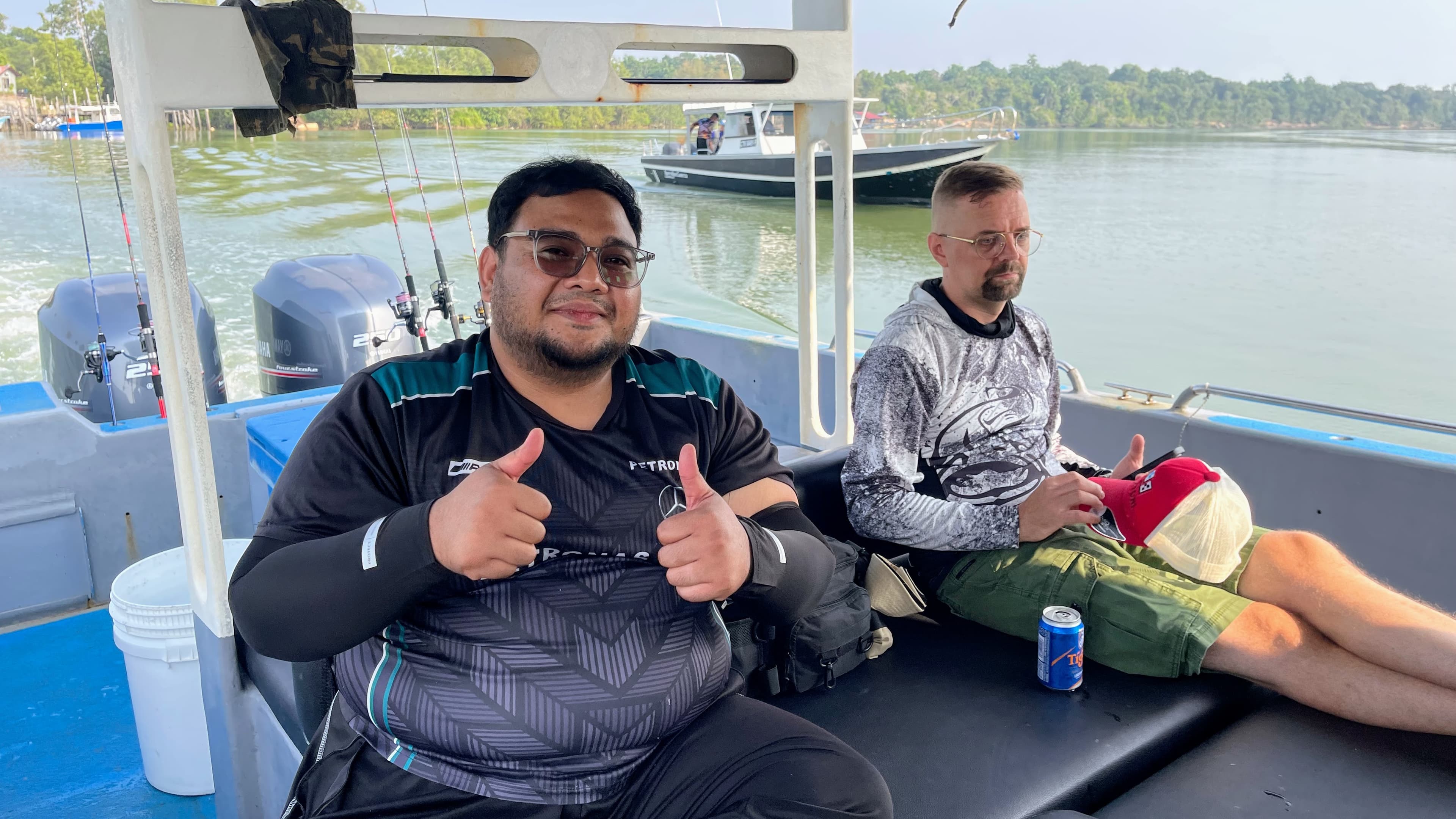
The expedition spans five fishing days, with a one-day break in between, making it a six-day trip in total. We will be splitting this expedition report into two parts. The first part covers the first three fishing days, followed by a break, while the second part will cover the final two days before we head back to the mainland.
The group are divided between two teams, with two boats working the same fishing grounds. Hopefully, this expedition report will give you a rough idea of how the entire expedition is planned, how the daily itinerary works, and what to realistically expect from a long-haul fishing adventure like this.
Planning a Long-Haul Fishing Expedition
I think the most challenging part of an expedition like this is the planning and coordination required to gather a group of people and get everyone to commit to the same dates. Riku has been planning this trip for almost a year. He first contacted me back in August 2025, so you can imagine how much preparation goes into an expedition of this scale. The original trip planned for 2025 was eventually cancelled and pushed back to 2026.
Now, with so much geopolitical uncertainty happening around the world, particularly in the Middle East, along with the recurring haze from Indonesia, planning a fishing expedition like this can become even more complicated. These external factors can affect travel arrangements, weather conditions, and overall logistics, making it increasingly challenging to ensure everything goes according to plan. Rising fuel prices have also contributed to the increasing cost of offshore fishing expeditions, especially those involving long journeys to distant fishing grounds. All these factors add another layer of uncertainty to an already demanding undertaking, making careful planning, coordination, and flexibility more important than ever.
Kudos to Riku for putting in a tremendous amount of effort into the planning and coordination of this expedition. Organising a trip of this scale is no easy task, especially when you have a large group of anglers who need to agree on a common plan, commit to the same dates, and coordinate their travel arrangements. Getting everyone on the same page can be quite challenging, and it takes a great deal of patience and dedication to make everything come together.
If you have read my previous reports, you might remember that Riku returned in March with a couple of his friends to fish in Kuala Rompin. Fortunately, he is currently based in Singapore, which makes travelling to Malaysia considerably more convenient and gives him the opportunity to return for more fishing adventures. That March trip was another memorable outing, but this time around, the scale of the operation was considerably bigger, with more anglers, two boats, and several days of offshore fishing to look forward to.
For long-haul expeditions planned months in advance, there are so many moving parts that need to fall into place before everything can come together. From coordinating everyone's schedules and travel arrangements to preparing the boats, tackle, and other logistics, there is plenty to take care of before the first line even hits the water. Fortunately, all the planning finally paid off when the group arrived on 23 August, and we were ready to kick off the first three days of the expedition.
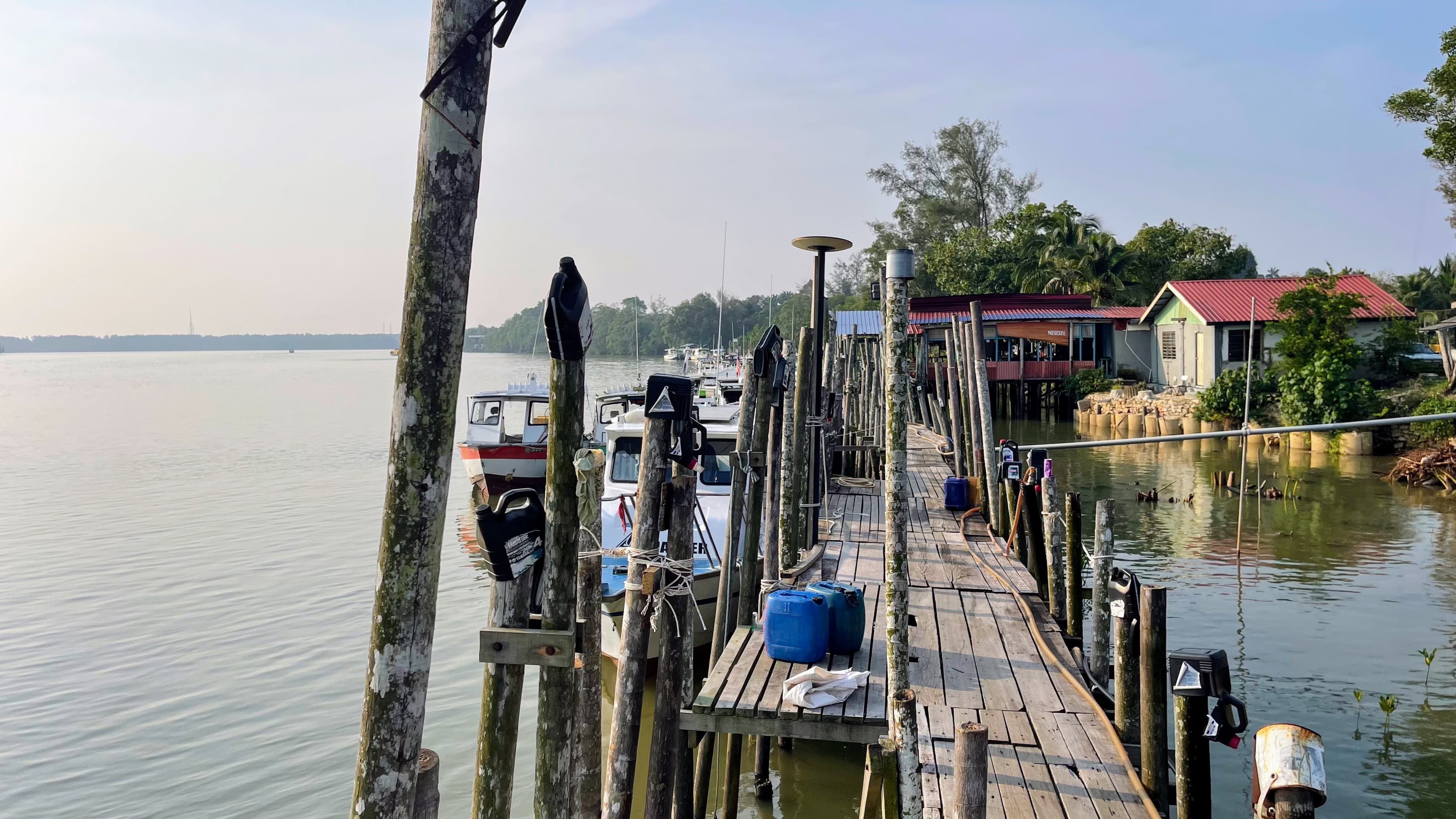
Getting Ready for Day One
I'm joined by my cousin this time around. Let's call him Yin, and he'll be assisting me throughout the expedition. This is his first long-haul fishing trip and his first proper offshore sea-fishing experience, so there's plenty for him to learn. Spending several consecutive days at sea is a different challenge altogether, particularly when fishing far from shore in unpredictable conditions.
The weather forecast wasn't particularly encouraging either. According to Windy, conditions were expected to remain choppy throughout the five fishing days, with southerly winds reaching around 25 to 30 knots at times. With the fishing grounds located approximately 35 to 40 nautical miles from Tioman Island, we had to factor in travel time, fuel consumption, bait preparation, and the limited windows available for fishing. Success would depend on more than simply finding fish. We needed to identify productive grounds, secure sufficient bait, and manage our time efficiently. With the preparations in place, it was time to put the plan into action. Here we go, Day One!
Day One: Testing the Waters
Daylight hours were always going to be a little shorter than we would have liked. Getting everyone and their equipment aboard before making the long journey offshore takes time, especially when operating a larger boat. Baitfish can also be difficult to locate close to shore, so our first day was largely about familiarising ourselves with the conditions and establishing a workable routine. Unfortunately, the sea was choppy, and the bait situation fell short of expectations. Although we managed to find some baitfish, the numbers weren't sufficient, and the sailfish weren't feeding consistently. Two of Riku's mates fished with us while Riku remained on Tioman Island, enjoying a beach resort with his wife. I considered arranging a boat transfer to bring him out, but it wasn't feasible under the circumstances. With the sailfish appearing to feed mainly during the morning session, our limited supply of bait made it difficult to capitalise on the opportunity.
We ended the day without a catch, but the outing still served a purpose. We had a chance to test our setup, assess the conditions, and identify areas that needed improvement. The boat headed back to Tioman Island shortly after 3 p.m., with the return journey taking around two hours. Once ashore, there were still hotel check-ins, equipment preparations, and arrangements between the two teams to sort out. It was a slow start, but we now had a better understanding of what to expect and what needed to be adjusted before heading out again.
Day Two: First Sailfish Encounters
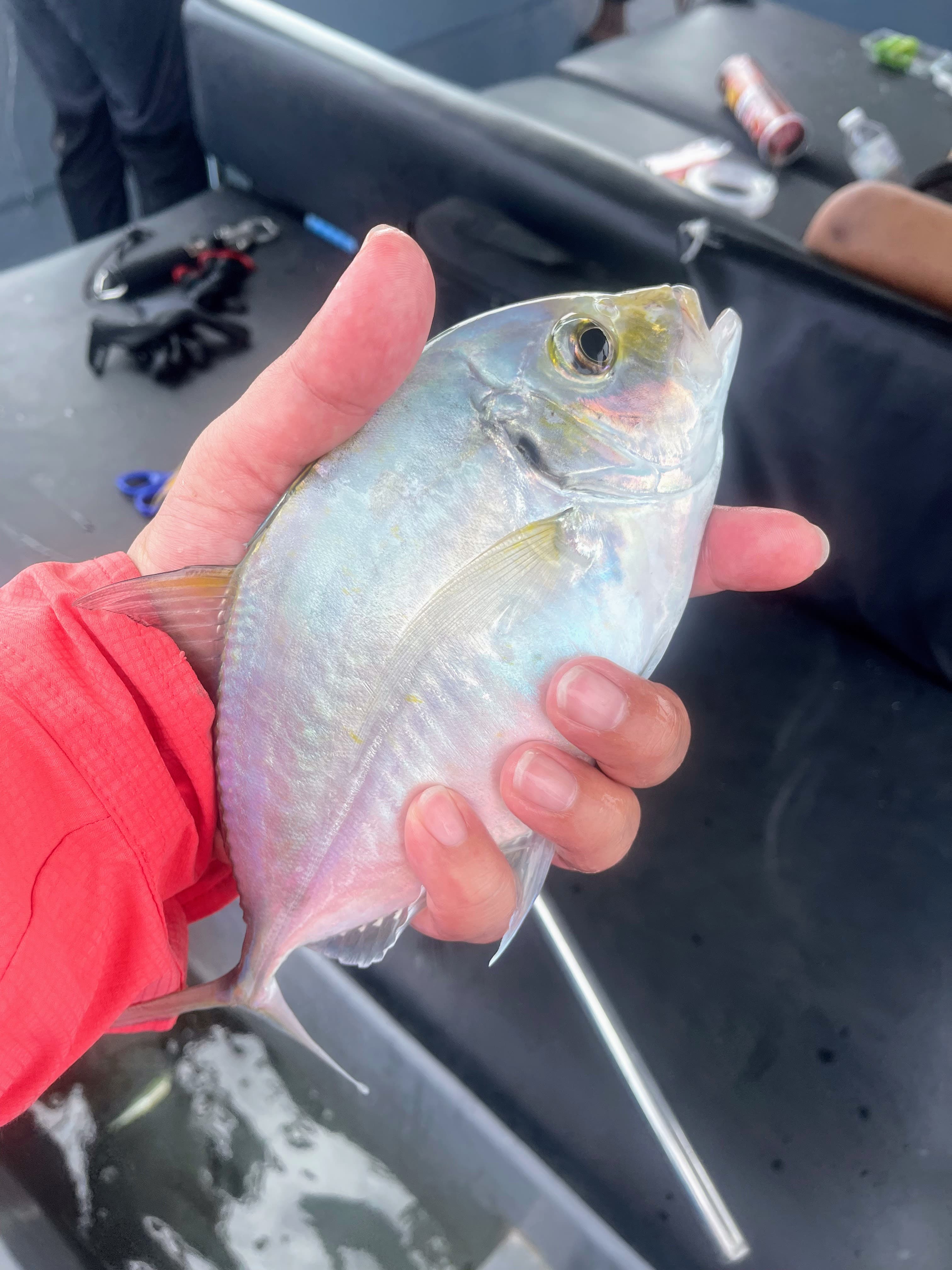
Day Two brought better prospects, as we managed to secure a more suitable selection of baitfish. However, the fishing grounds were still around 30 nautical miles offshore, requiring an hour and a half of travel each way under the prevailing conditions. Winds were blowing at around 15 to 20 knots, so we had to make the most of the available weather window. Our main strategy was to drift live bait for sailfish, with some bottom fishing in between to keep the anglers occupied. Eventually, we got our first strike! The fish leapt out of the water, immediately bringing excitement back on board. Unfortunately, the hookup was short-lived. Sailfish are notorious for throwing the hook during their spectacular aerial displays, and despite a fight lasting around 10 to 15 minutes, the fish eventually shook itself free during one of its jumps. That's the reality of sailfishing. Sometimes, all you can do is learn from the experience and wait for another opportunity.
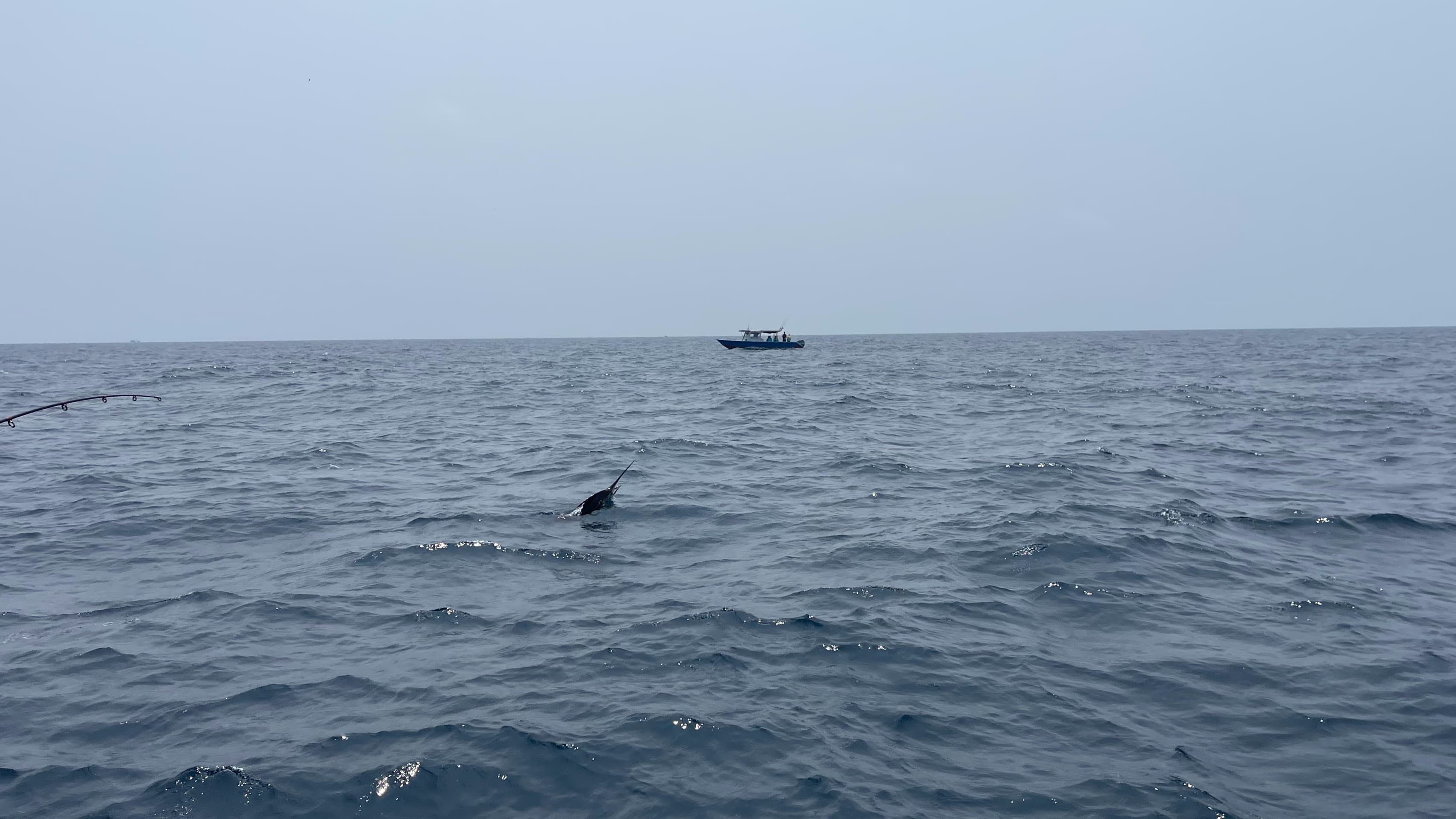
The second encounter came shortly afterwards, giving us another chance to land a fish. We handed the rod to the angler and worked on bringing the sailfish closer to the boat. However, the relatively short rods commonly used for this style of fishing in Malaysia made it difficult to control the fish at close range. To complicate matters, several sharks were lurking beneath the boat, turning the fight into a race against time. We eventually managed to grab the leader, meaning the fish had been brought to leader under IGFA standards, although it never made it aboard. We wanted to bring it alongside for a photograph, but the sailfish swam beneath the boat again and became tangled around the engine before the line finally gave way. After all that effort, we lost the fish at the final stage. It was another reminder that offshore fishing can be unpredictable, even when everything initially goes according to plan.
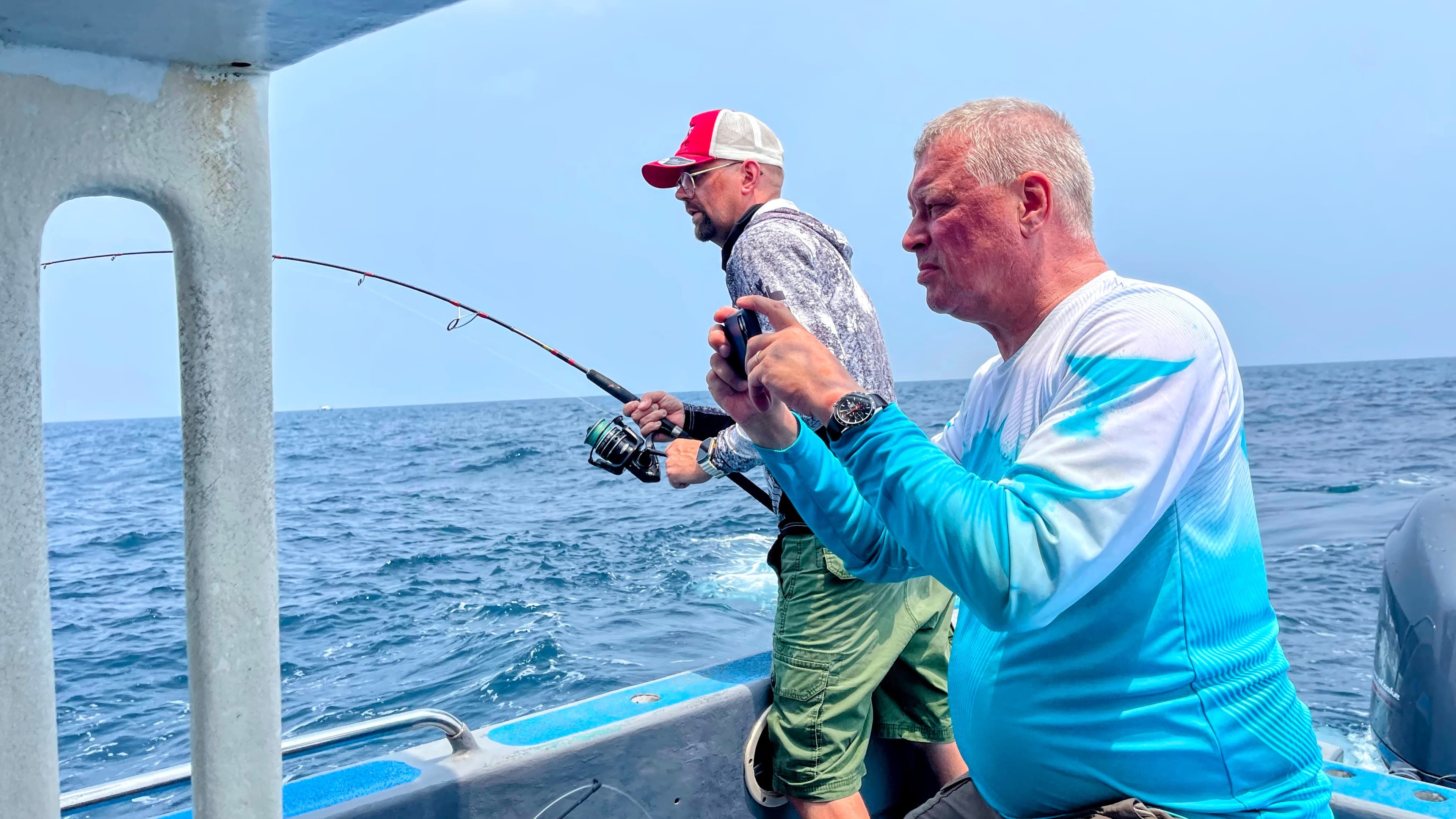
Both encounters took place before lunch, after which the action died down. Despite the excitement, our boat still had no sailfish to show for the first two days. Fortunately, the other team managed to land two, giving the overall expedition a much-needed boost. Since they had brought their own fishing tackle, we considered using their equipment for our next session to see whether a different setup would help us control the fish more effectively near the boat. With more fishing days ahead, there was still time to make adjustments. For Day Three, we also planned to explore a different area rather than return to the same grounds. A change of location and strategy might be just what we needed to turn things around.
Day Three: A Change of Plan
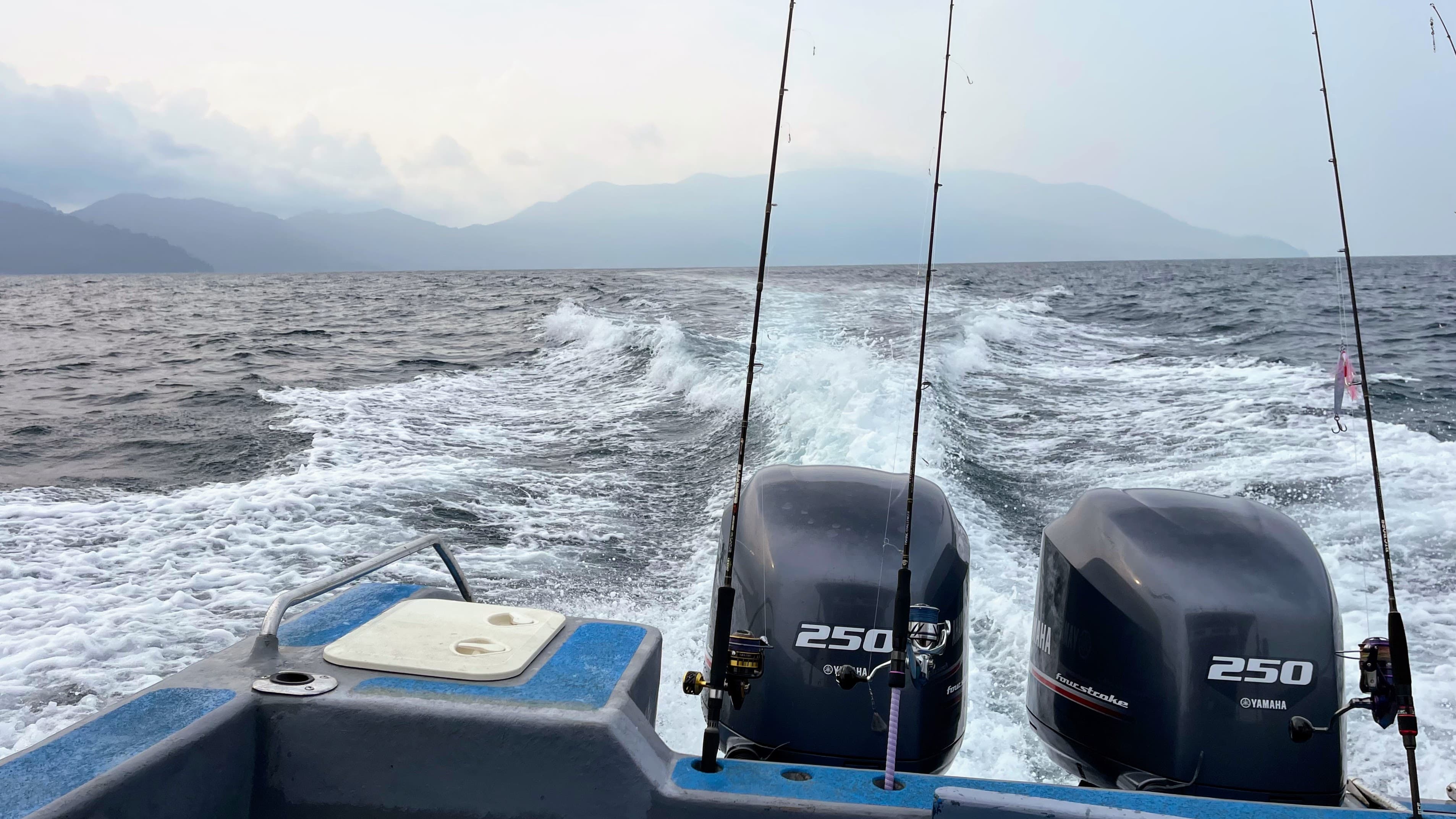
We decided to explore another stretch of water instead of returning to the same fishing grounds around Karang Luas, approximately 30 nautical miles offshore. Rather than concentrating on a designated spot where numerous boats were already fishing, we wanted to cover more ground and look for less-pressured fish. Sailfish remained our main target, but after two days of mixed results, we didn't want the anglers spending another entire day waiting for a bite. Our plan was to move between several fish aggregating devices (FADs), which attract baitfish and other marine life, drawing larger predators into the area. Sailfish are often found around these structures off Tioman, and I still remember a previous trip when we caught around 16 sailfish from a single FAD. That was the kind of action we hoped to find again. With plenty of water to explore and two more fishing days to come after the break, there was no reason to stick rigidly to the same routine. Thankfully, Day Three got off to our best start yet!
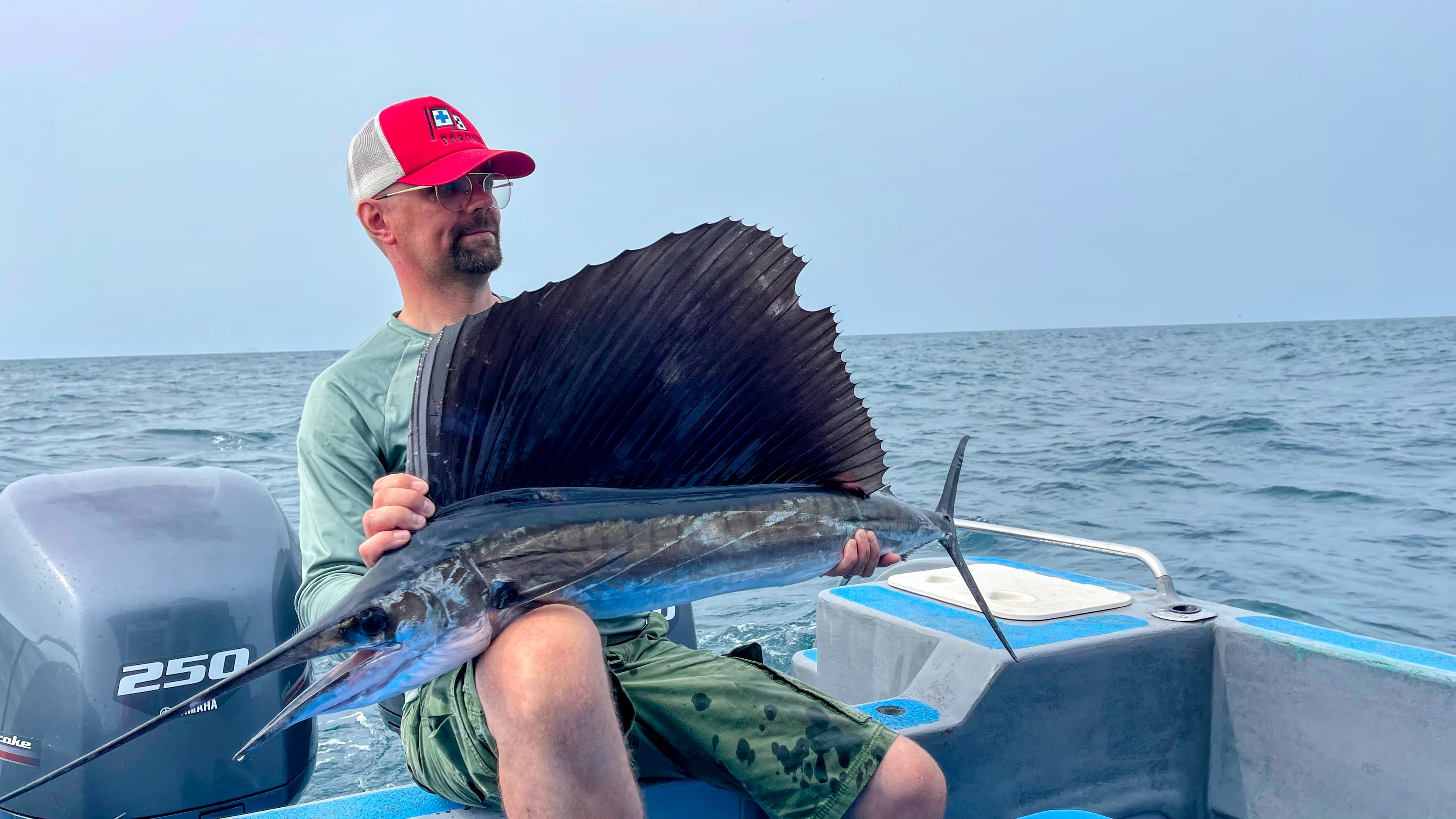
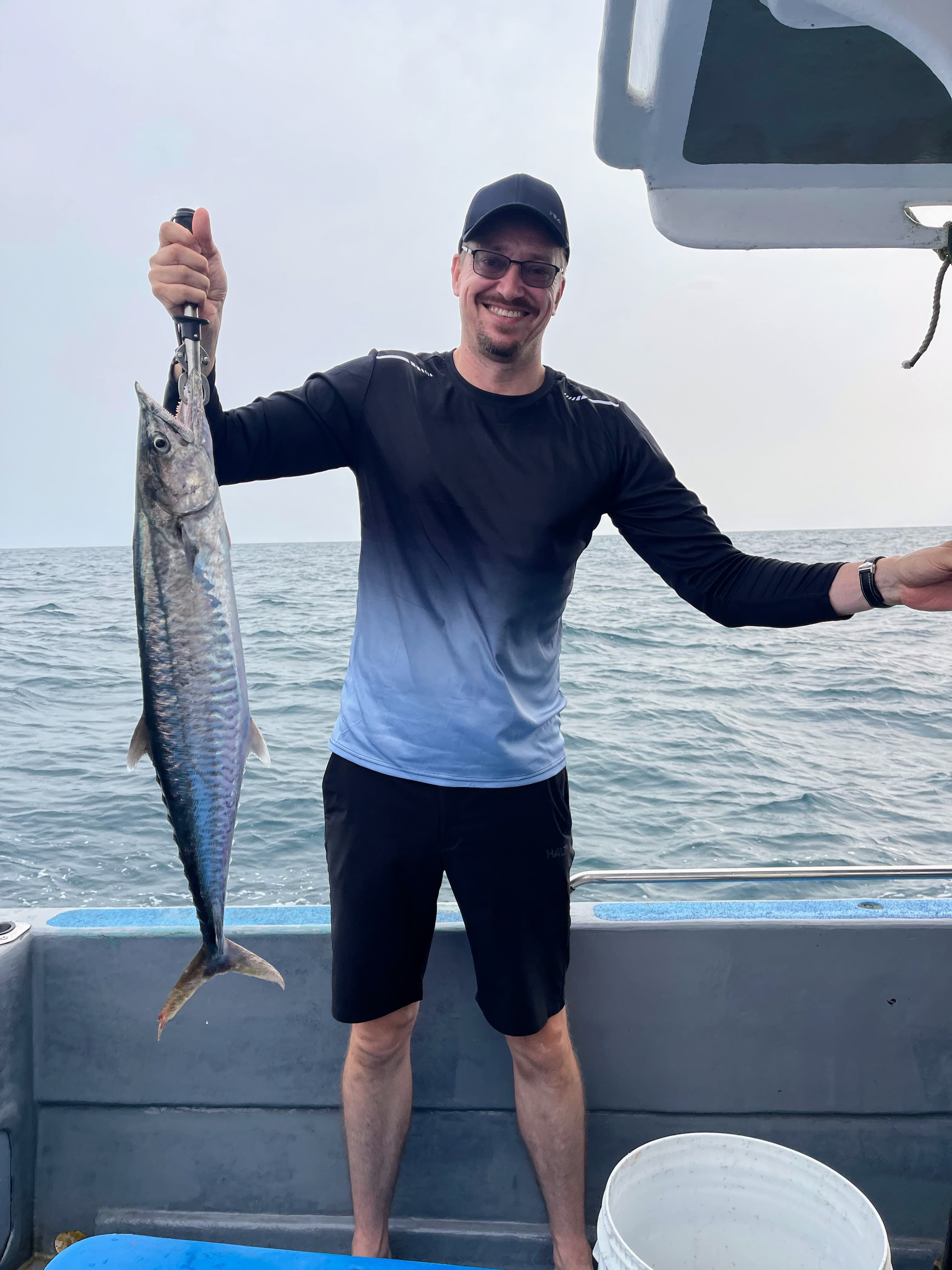
We were drifting live bait behind the boat when the first fish took the offering. It turned out to be a juvenile sailfish, smaller than what we had hoped for, but seeing it leap out of the water was still an incredible sight. The fight wasn't particularly challenging, yet nobody was complaining. After two days of missed opportunities, we had finally caught the fish we came all this way for! Naturally, we still hoped to find a bigger specimen, but getting our first sailfish on board was a welcome breakthrough. We continued exploring the area, and the action soon picked up. Around 14 Spanish mackerel were caught throughout the day, providing plenty of excitement on light tackle. The anglers were kept busy, and the atmosphere aboard the boat was noticeably different from the previous two days.
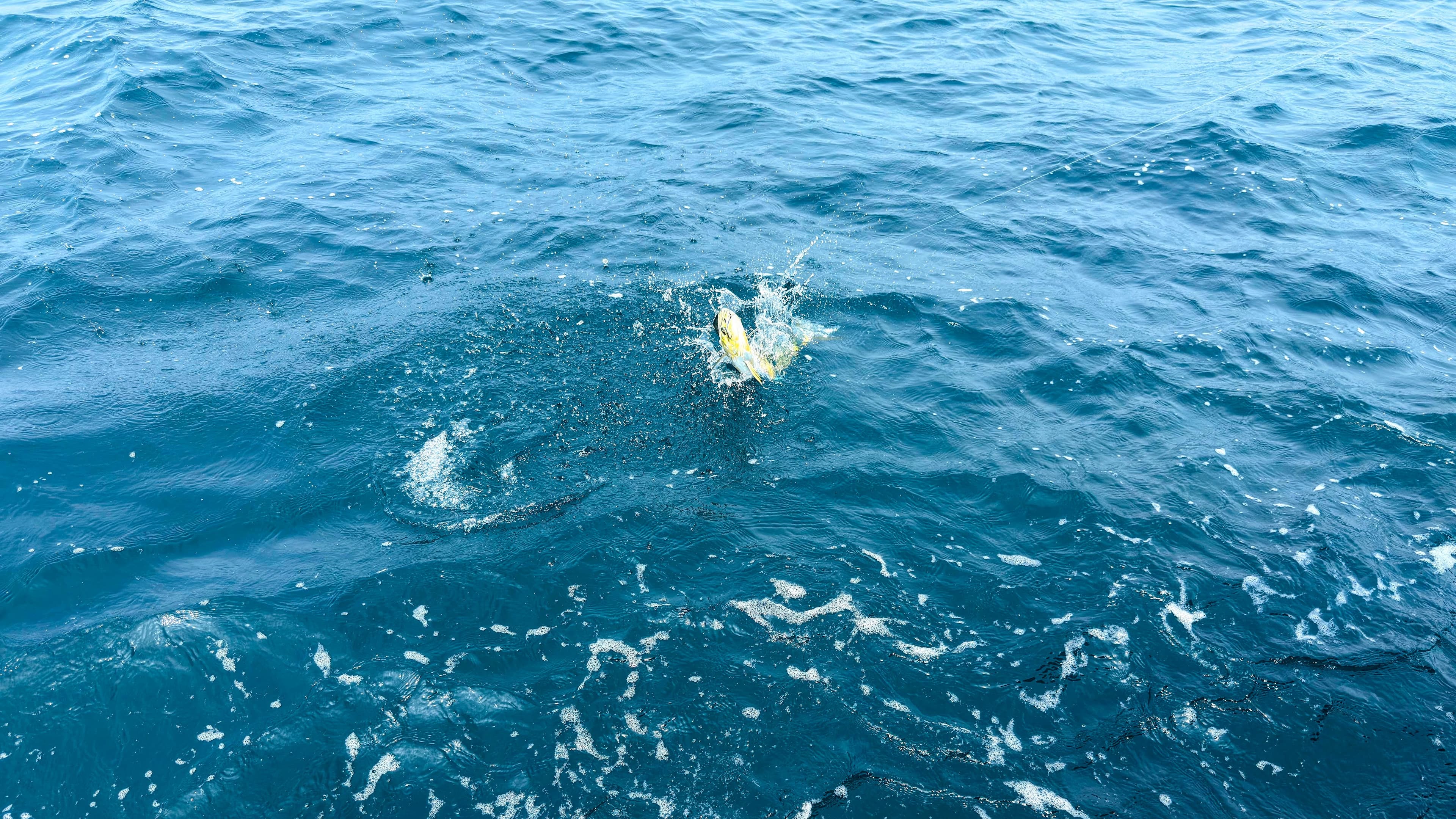
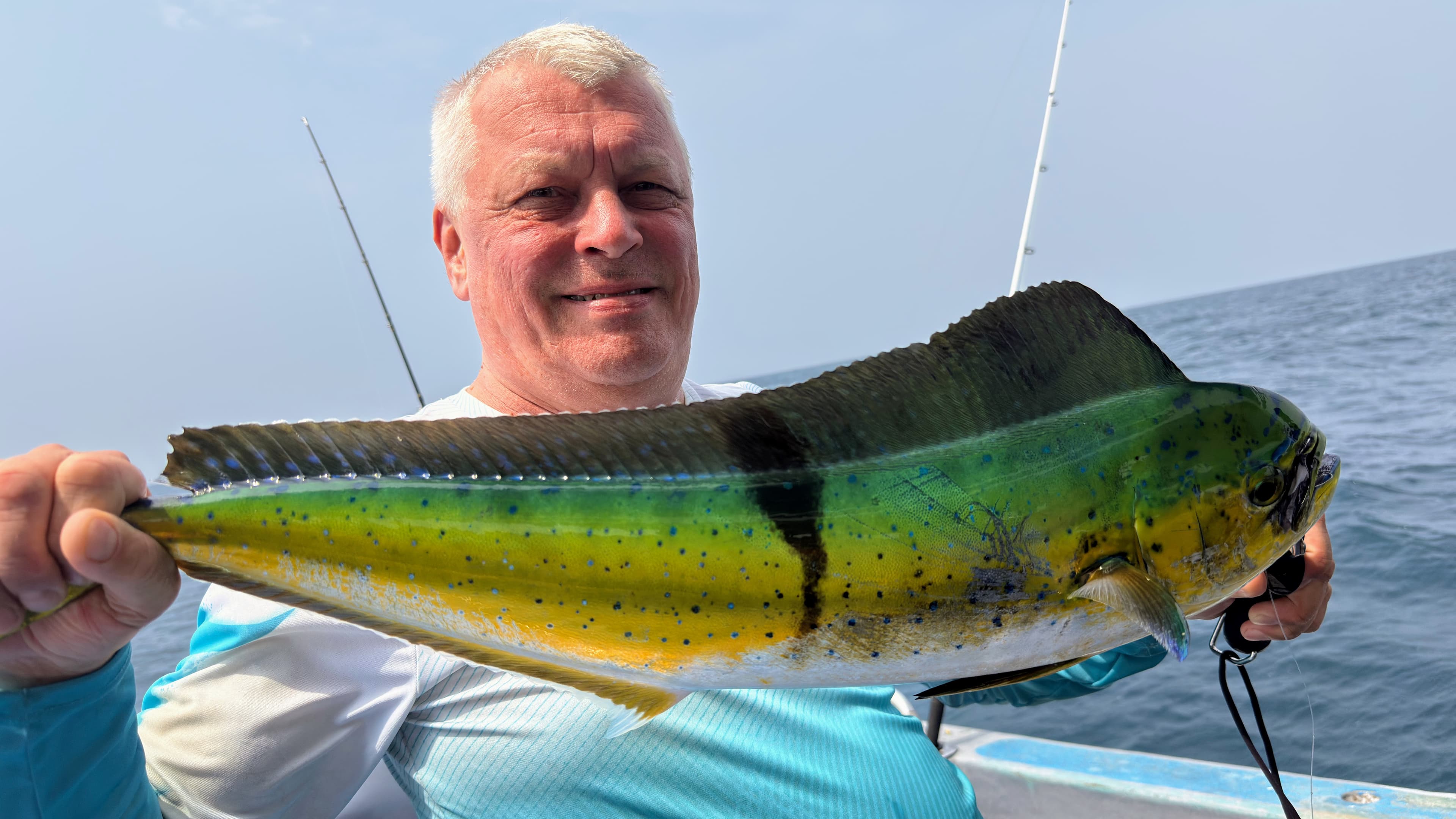
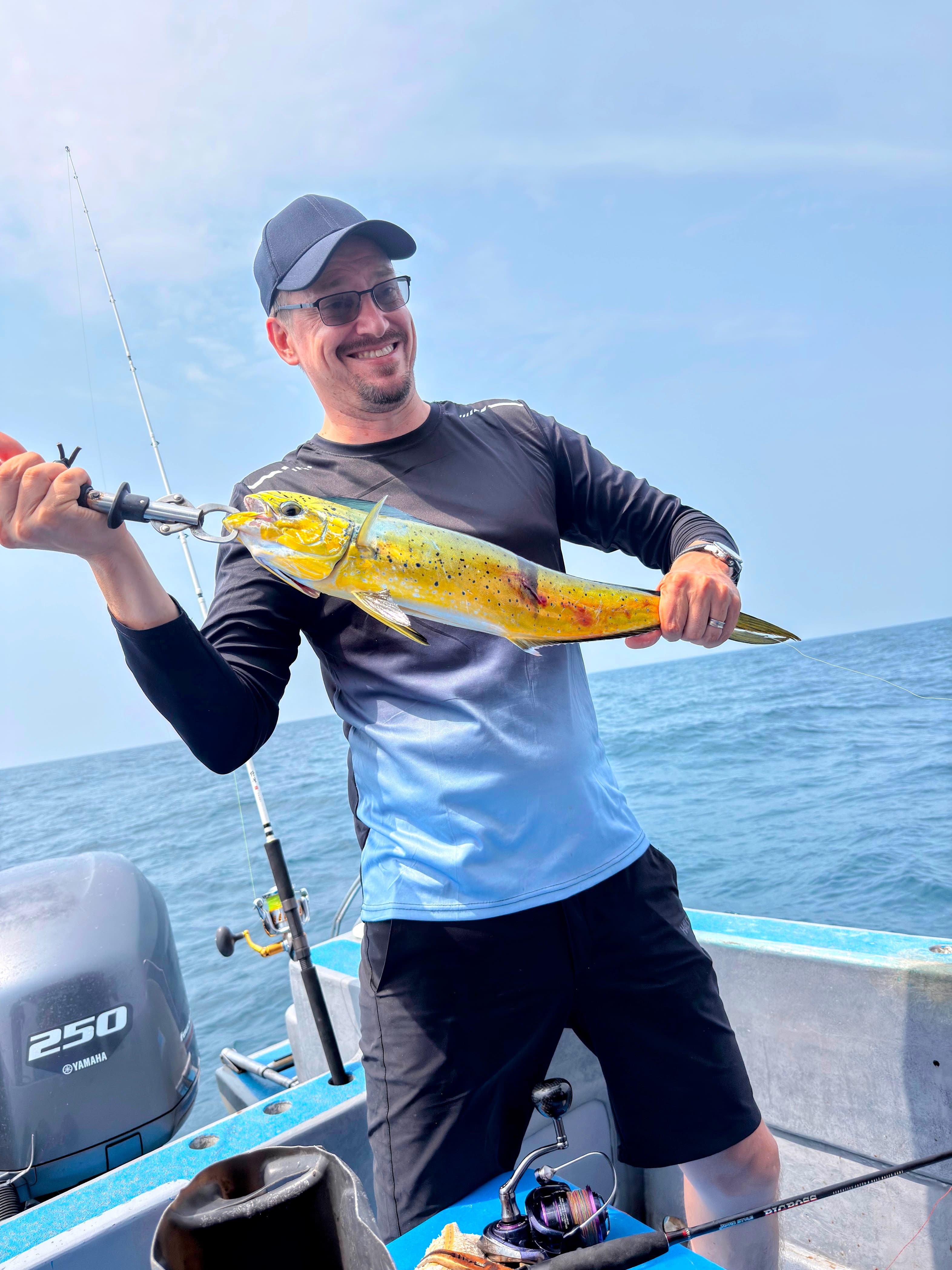
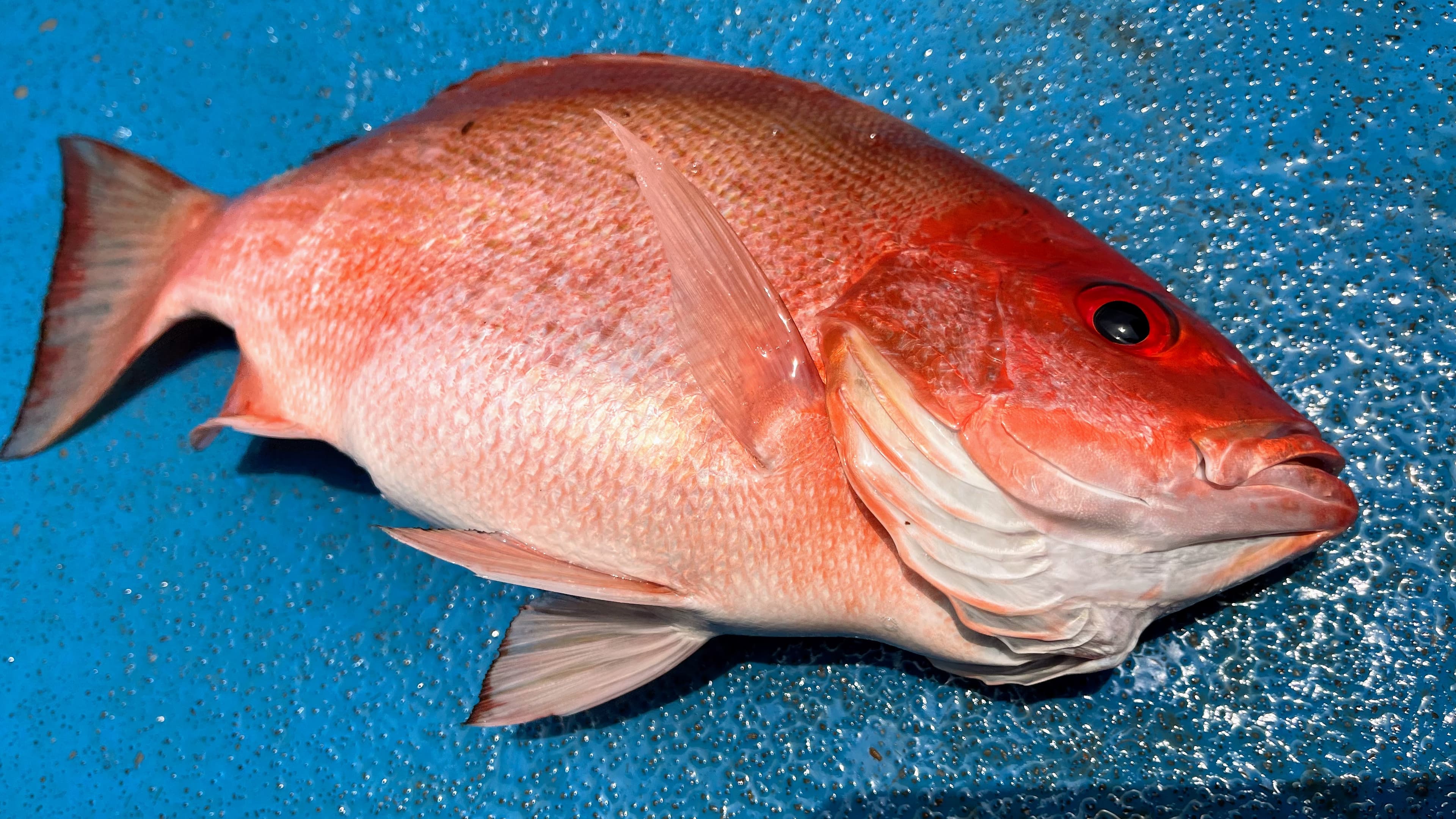
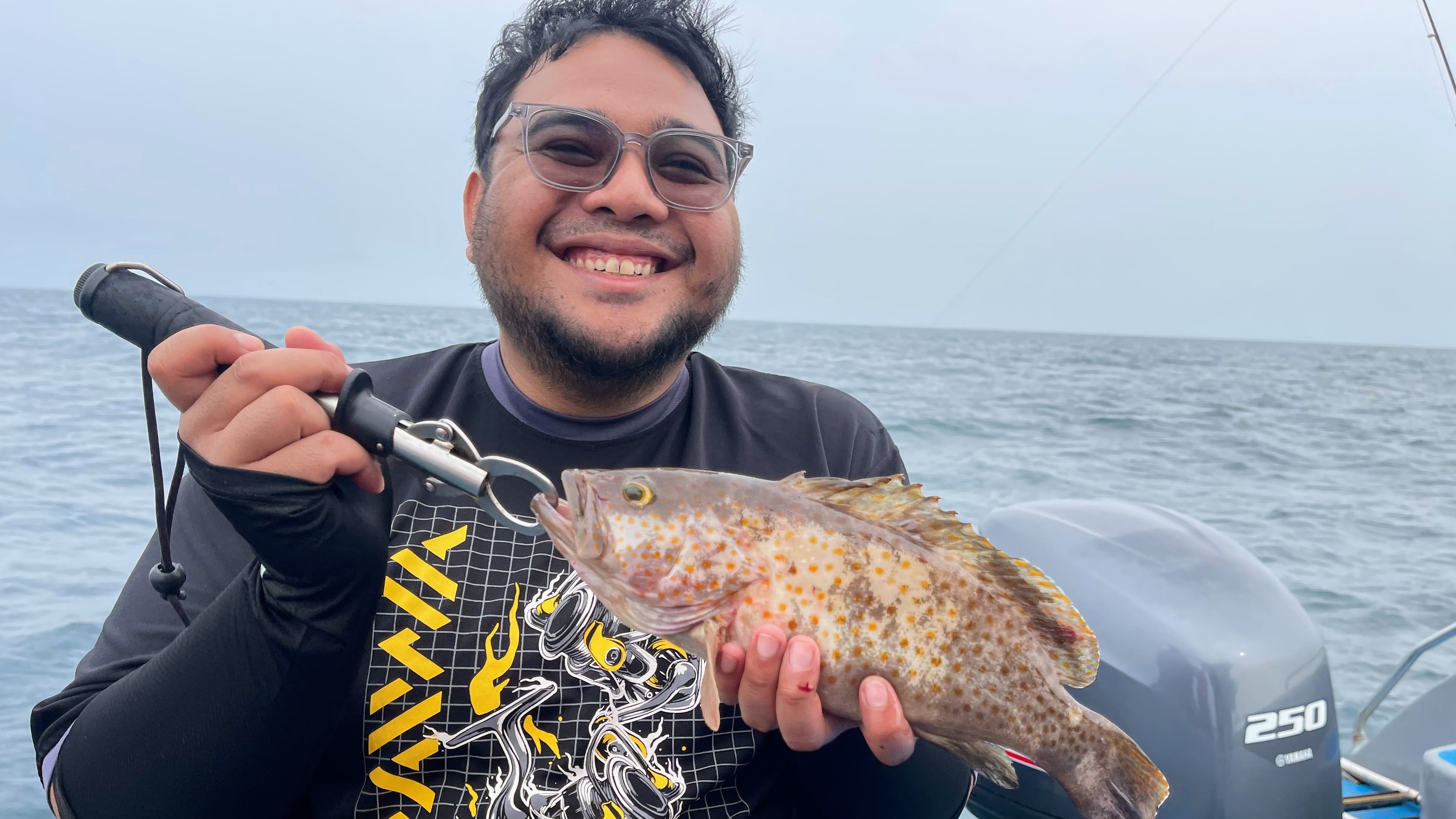
We also wanted to give the group a chance to catch dorado if they hadn't encountered the species before. This became our side quest for the day, and fortunately, we found a school and landed around 16 dorado. Their beautiful golden colours and spirited fights made them a pleasure to catch on light tackle. By the end of the session, our mixed bag also included a cobia, snappers, and groupers. After the slow start on Day One and the lost fish on Day Two, the change in strategy had paid off. We finally had a sailfish on our boat, while the other team added another to its tally. More importantly, the anglers enjoyed a varied and productive day instead of spending hours waiting for a single target species. It was the kind of experience we wanted to deliver, even if the sailfish action hadn't been as consistent as we originally hoped.
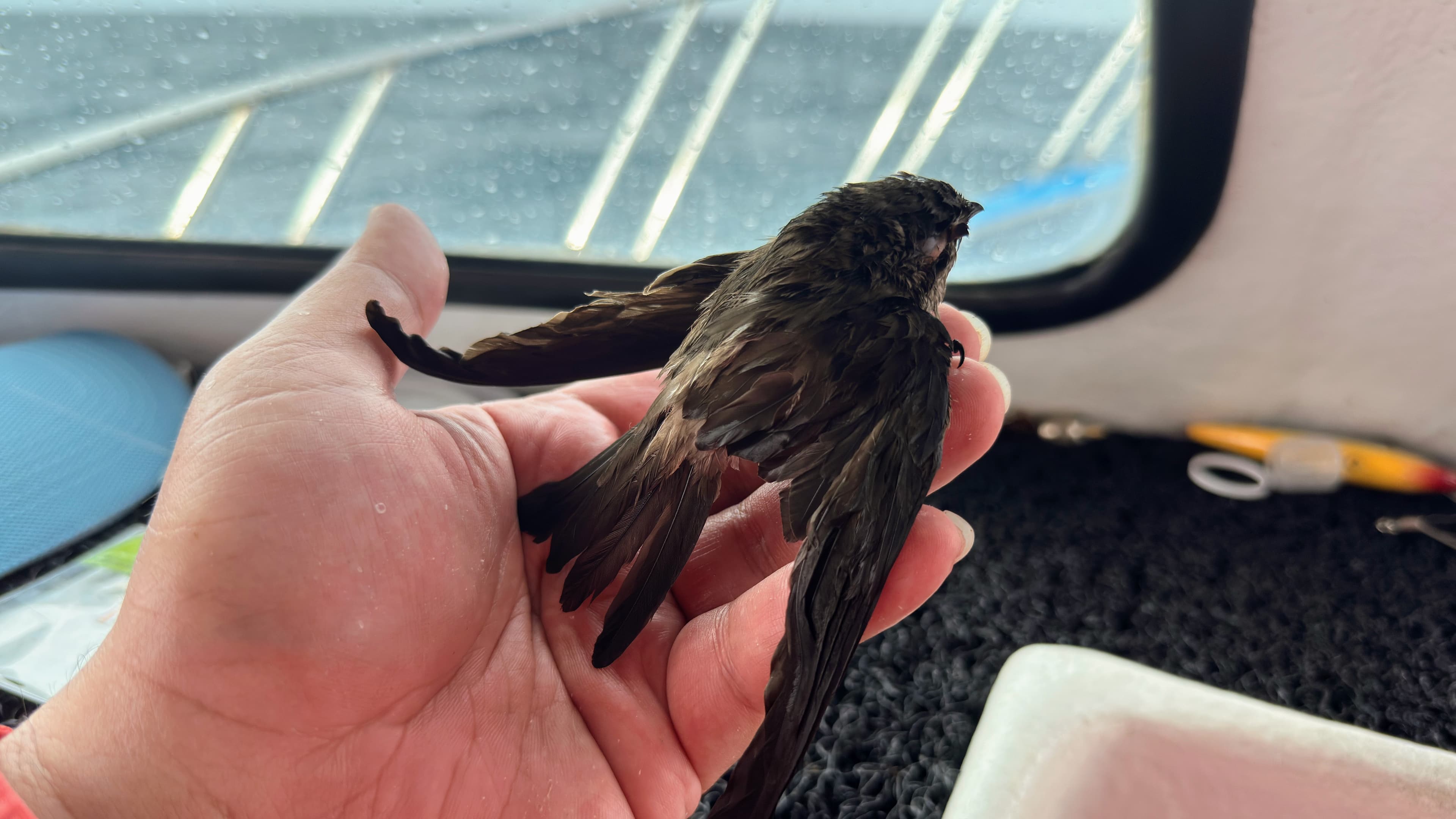
The journey back, however, proved more challenging. The sea had turned rough, and it took us around two hours to reach Tioman Island. Rain was setting in, and later that evening, I came across reports of other boats caught in stormy conditions offshore. We were fortunate to have started our return journey early, as some boats reportedly didn't reach the island until around 9 p.m. Experiences like these reinforce why safety must always come first when fishing so far offshore. No catch is worth taking unnecessary risks, and getting everyone back safely remains the priority. With the first three fishing days behind us, the group could finally enjoy a well-deserved one-day break before heading out for the final two sessions.
The first half of the expedition had brought missed opportunities, challenging weather, exciting sailfish encounters, and some excellent mixed-species fishing. Although our sailfish tally was still modest, the change in approach had given the anglers plenty to remember. After a day to rest and recharge, we would be ready to head offshore again.
Would the final two days bring more sailfish, or perhaps a bigger specimen for the team?
Find out in Part Two!
