Sailfish Tourism and Its Economic Value
A Case for Recreational Fishing in Kuala Rompin, Pahang
Fishing has long become a popular activity in Malaysia. Situated close to the equator belt, it has created a conducive ecosystem that can host a variety of fish species. Although the term fishing can be applied using different motivations, either commercial or leisure. This research proposal focuses more on the term Recreational Fishing. Department of Fisheries Malaysia (2021) has defined recreational fishing as catching fish using rods or hooks for sport, leisure, entertainment, and self-satisfaction.
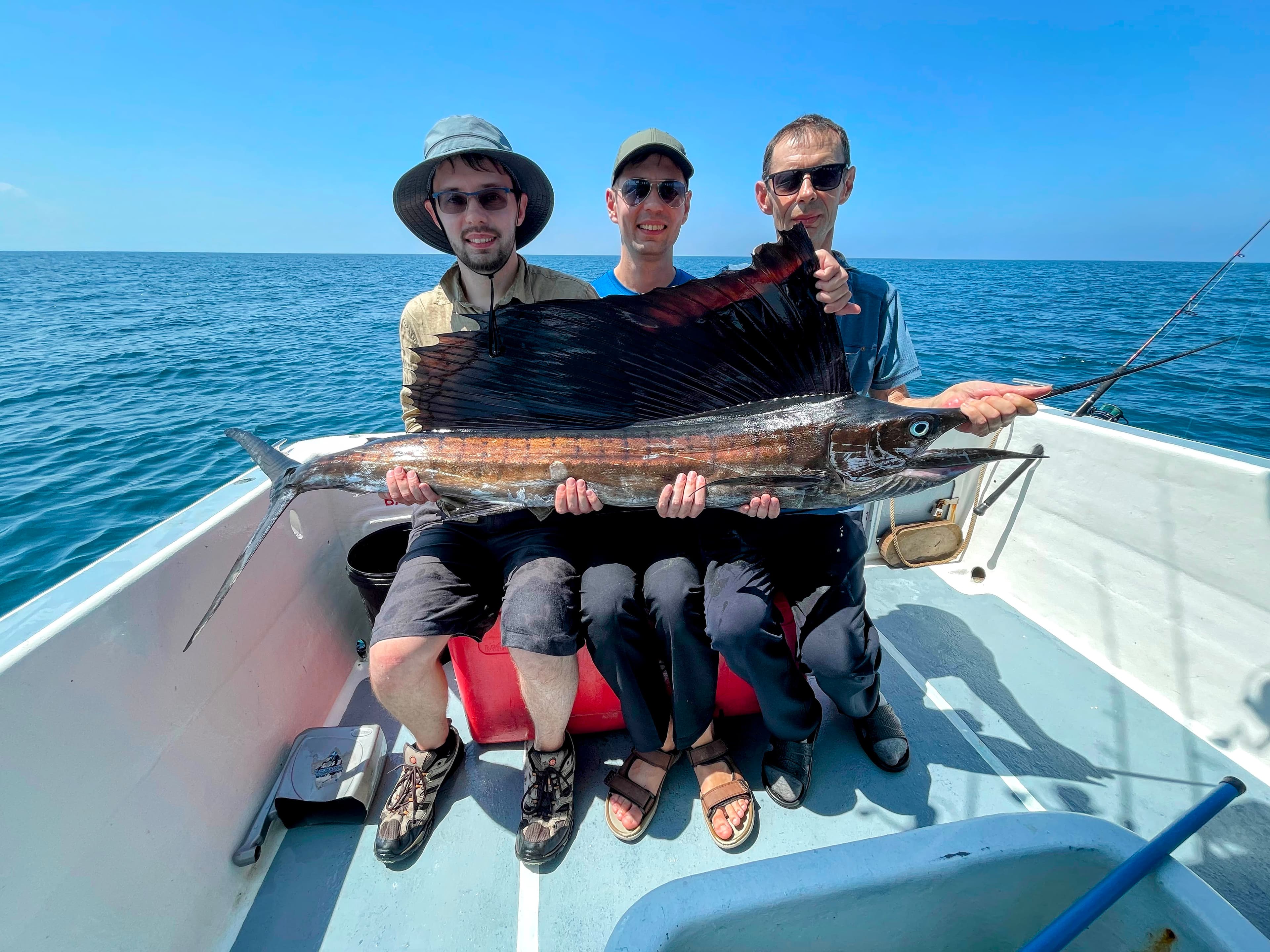
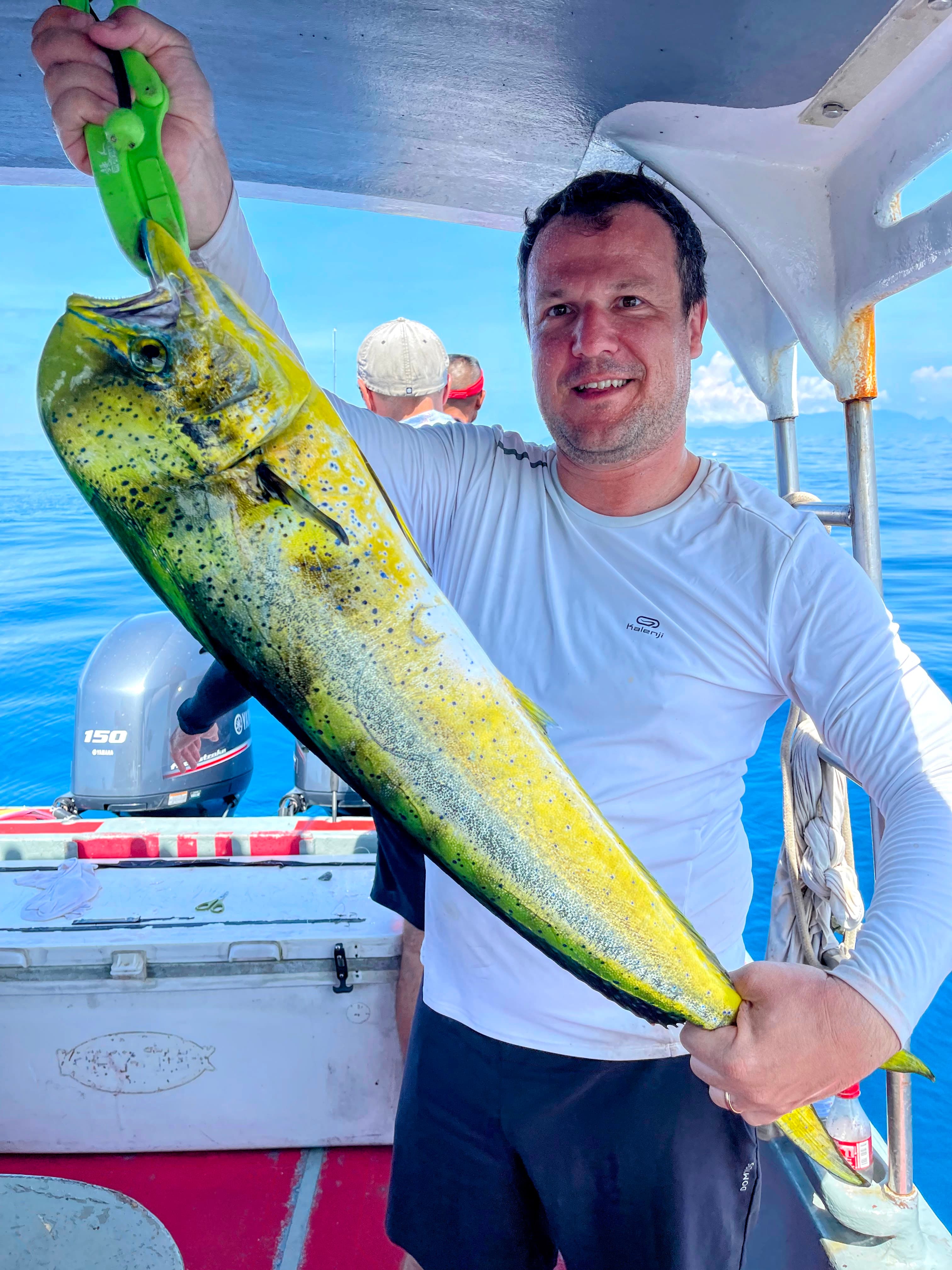
Thus, recreational fishing activities carried out by recreational anglers are an activity of catching fish or aquatic animals that is different from fishing activities by fishermen. Recreational anglers usually fish for recreation and self-satisfaction, while fishermen fish for subsistence and commercial purposes. The implementation of recreational fishing activities is driven by several factors such as the desire to get the challenge of catching fish, achievement and recognition, sportsmanship, leisure activities, personal entertainment, and social activities (Department of Fisheries Malaysia, 2021).
Evidence from other literature from different part of the world suggest a similar definition of recreational fishing. Commission of European Community (2001) has defined recreational fishing as all fishing activities not conducted for commercial fishing purposes, and includes fishery resources, fishermen, and businesses providing needed goods and services. Witzig (1997) defines recreational fishing primarily with hook and line for pleasure, amusement, relaxation, or home consumption. Anglers usually harvest fish for personal use, fun and challenge. Even if there is any sale of catch, the monetary returns constitute an insignificant part of the person's income (Witzig, 1997). A catch may be returned to its habitat or retained to be consumed within the immediate social circle but not sold or bartered for other goods. (European Anglers Alliance, 2004).
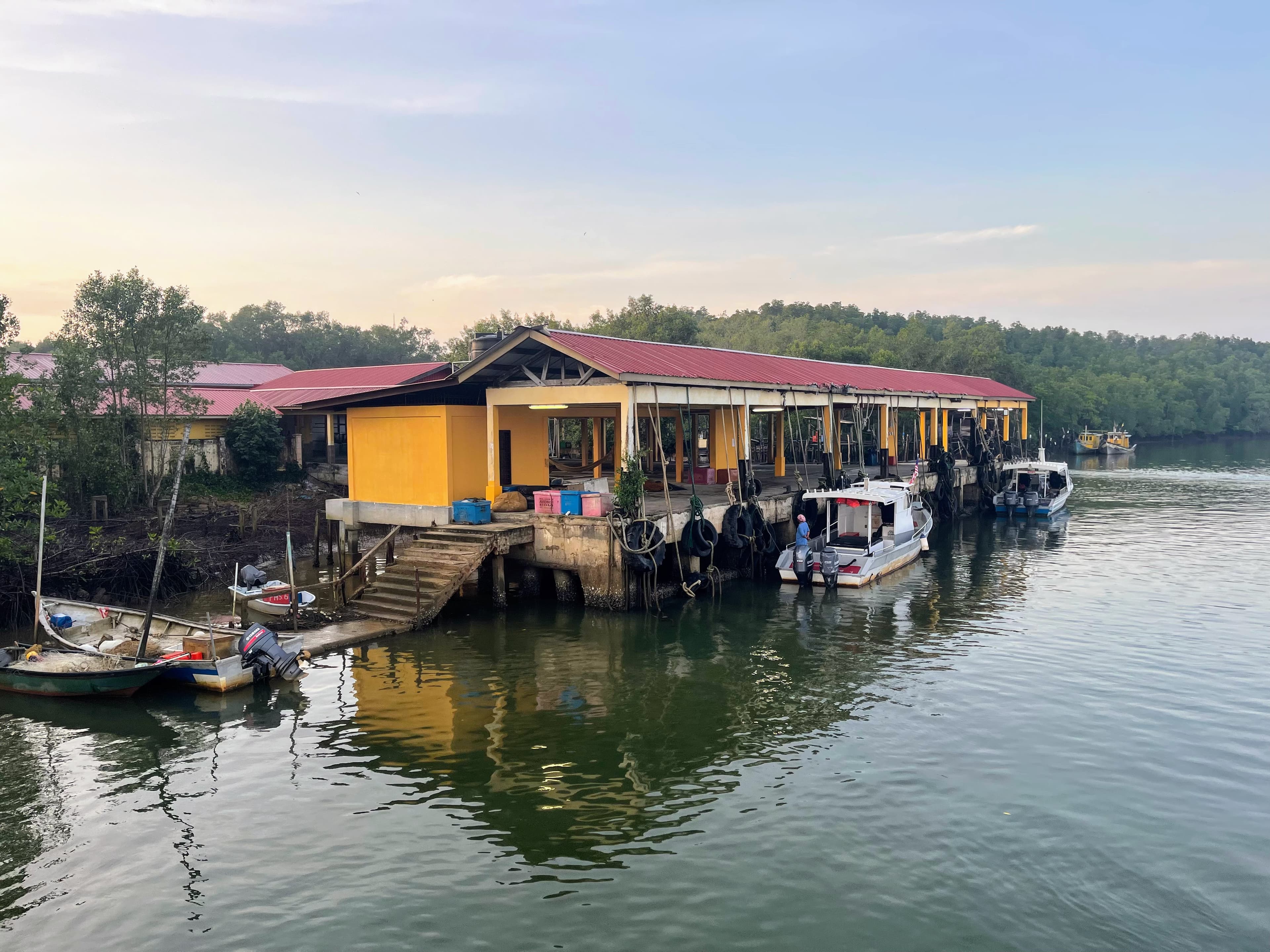
Malaysia is gifted with many fishing grounds and trophy species to be explored by anglers. One of the most popular recreational fishing locations was Kuala Rompin, Pahang. Kuala Rompin is the largest town in Rompin District, southeastern Pahang, Malaysia. It is located on the South-East coast of Peninsular Malaysia and faces the South China Sea. It is about 133 km (83 mi) south of Kuantan, the State Capital of Pahang. Historically, Kuala Rompin was a fishing village that is often visited by traders who commute between Singapore and Kuantan. Even today, Kuala Rompin is a destination for locals and Singaporeans to source for fresh seafood.
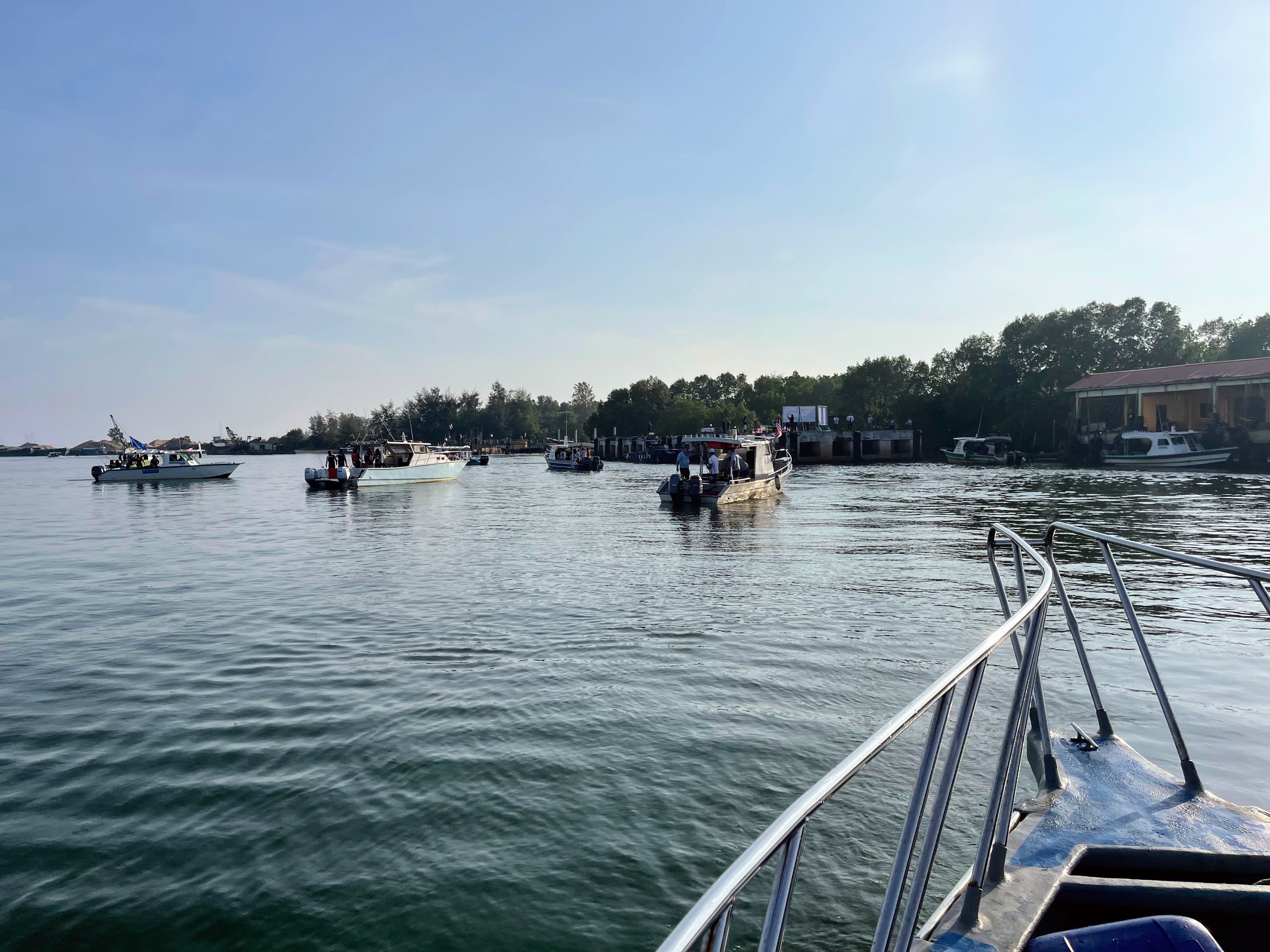
Kuala Rompin is building a name for itself in the recreational fishing for sailfish. It is increasingly being recognized as the Sailfish Capital of Asia and hosts a yearly world-class fishing event, the Royal Pahang International Billfish Challenge. Istiophorus platypterus, the Sailfish, is a species of billfish living in warmer sections of all the oceans. They are predominately blue to gray and have a characteristic erectile dorsal fin known as a sail, which often stretches the entire length of the back of the fish. Another notable characteristic is the elongated bill, resembling that of the swordfish and other marlins. They are, therefore, described as billfish in recreational fishing circles.
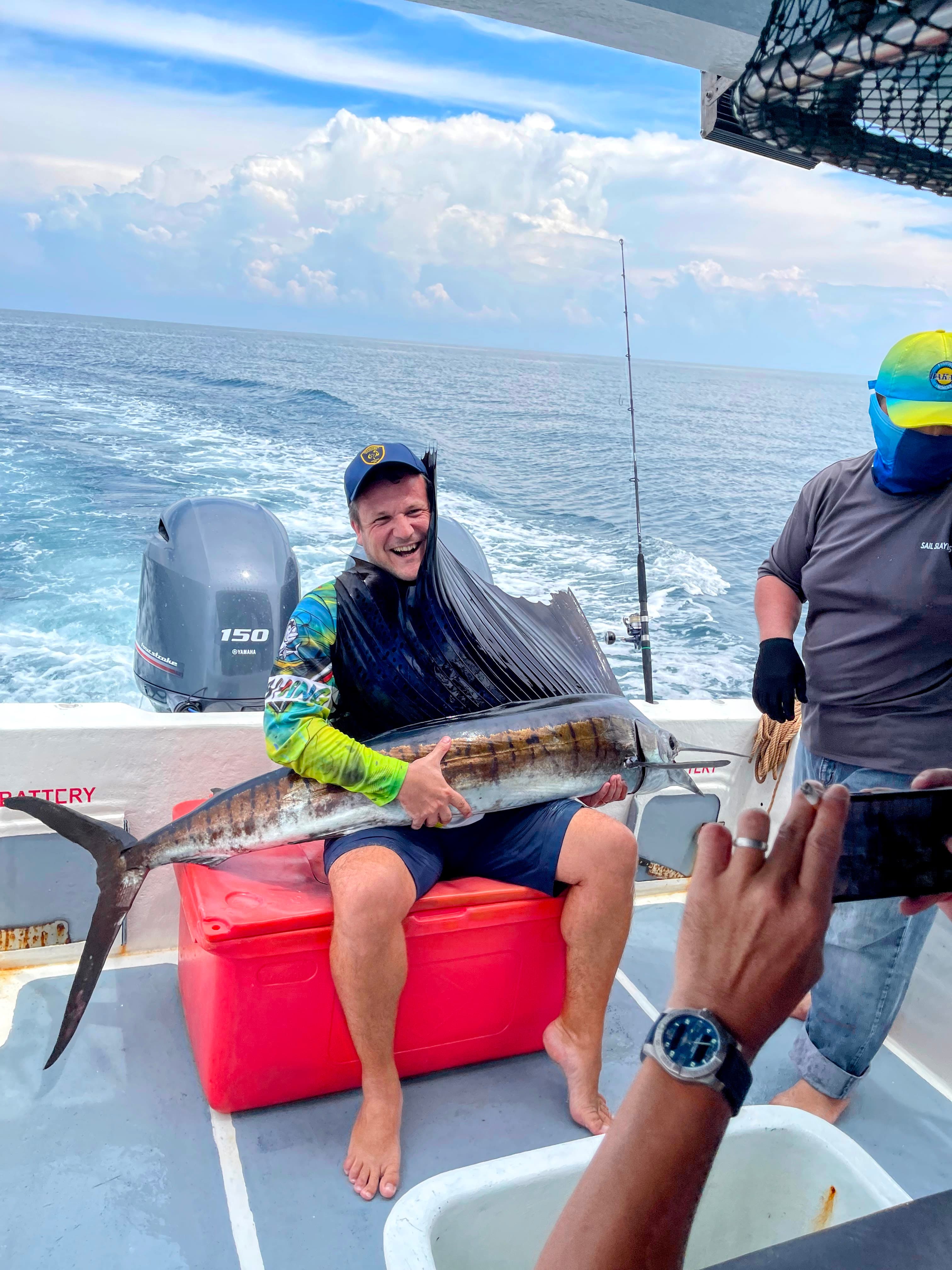
Sailfish has a rapid growth rate and can reach 1.2–1.5 meters (3 ft 11 in–4 ft 11 in) in length in a single year and feed on the surface or at mid-depths on smaller pelagic forage fish and squid. Individuals have been clocked at speeds of up to 110 kilometers per hour (68 mph), the highest speeds reliably reported in any water organism. Generally, sailfish do not grow to more than 3 meters (9.8 ft) in length and rarely weigh over 90 kilograms (200 lb.). The fish can appear in a startling array of colors, from subdued browns and grays to vibrant purples and even silver. Their body colors are highlighted by stripes of iridescent blue and silver dots. Sailfish can change their colors instantaneously, a mechanism controlled by their nervous system. The sailfish can rapidly turn its body light blue with yellowish stripes when excited, confusing its prey and making capture easier, while signaling its intentions to fellow sailfish.
Being a magnificent migratory species, their migration route from Southern Australia towards the South China Sea has been the main factor for a country like Malaysia to hold such a great game species. The rich Kuala Rompin shallow sea has become a resting point for the migratory species to eat before continuing their journey throughout the Pacific Ocean. The Sailfish season begins as early as March - April and between August - October. During the period, Sailfish will dwell closer to the shore, chasing after small bait fish, and gathers in mass quantity. It drives the small town of Kuala Rompin into one of the best fishing grounds in South East Asia. Recreational anglers from all over the world would flock during Aug-Oct when the Sailfish season is at its peak. To be able to experience the breathtaking speed and acrobatic jump of a Sailfish proves to be an aphrodisiac for an angler to tango with this beautiful fish.
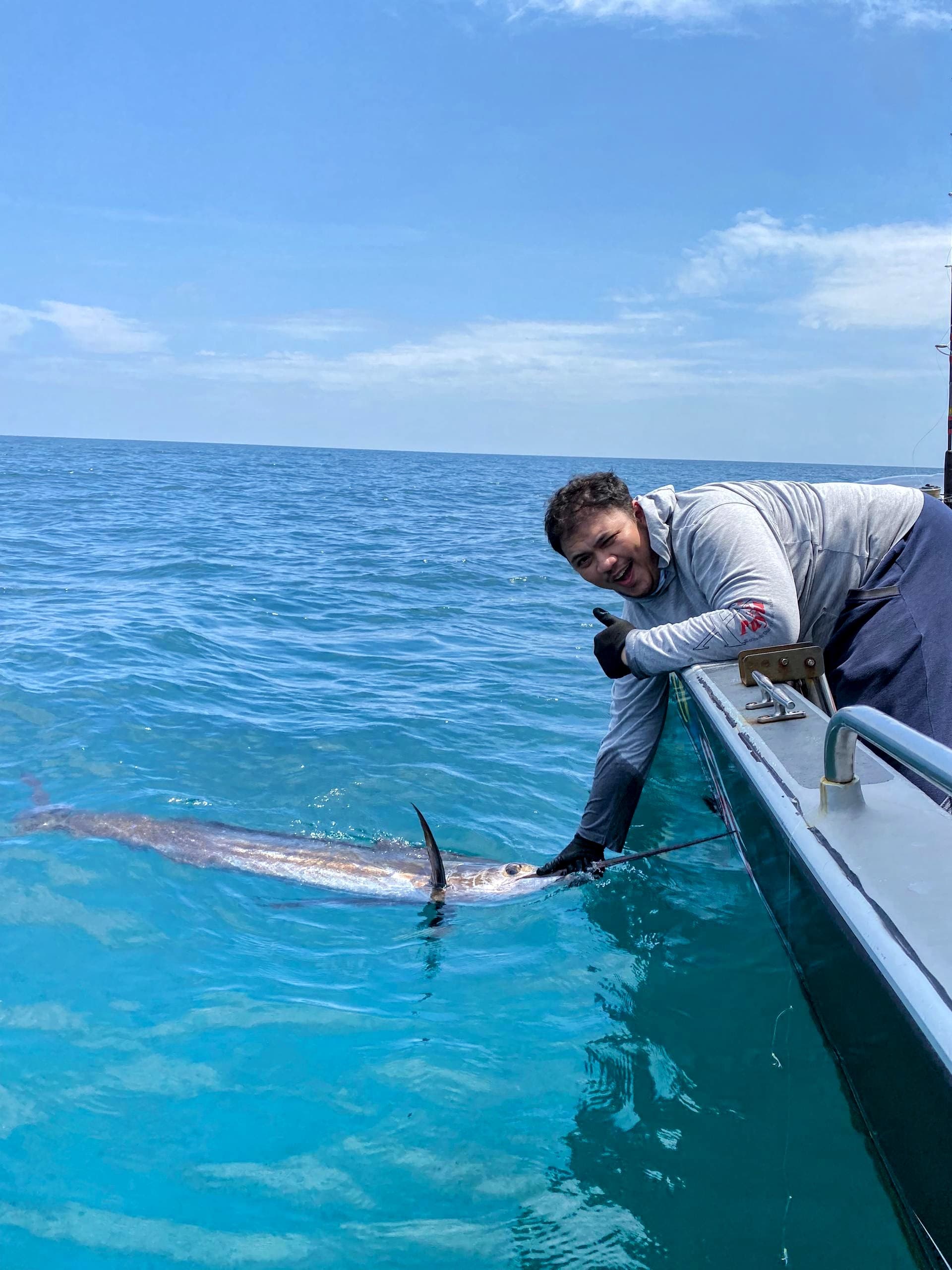
All Sailfish caught in Kuala Rompin waters follow a strict catch and release policy. The policy was created by the Kuala Rompin Fishing Association to ensure a sustainable fishing ground for future generations. The usage of fluorocarbon leader and circle hook helps anglers and charters to effectively increase the chances of hook-up, and reduce the injury level and even mortality rate. A standard procedure in landing and releasing the fish involved strict time management. Upon releasing the fish, anglers need to rejuvenate to feed more oxygen into the fish before safely releasing it back into the sea. This species has created a unique value for the Kuala Rompin economy as anglers from around the world join in to tame these fast-swimming giants.
Despite being the only Sailfish fishing destination in South East Asia, recreational fishing was not recognized as important tourism industry in Malaysia. Humans' unwise practices in exploiting the ocean have created numerous problems. Overharvesting of fisheries resources, reduction in biodiversity, and degradation of marine habitats and species are some key issues that will put Kuala Rompin at risk. We risk the very ecosystems on which Kuala Rompin's community rely on. This research proposal will investigate the true value of recreational fishing in Kuala Rompin to assist the community in protecting their precious industry and to promote the state of Pahang to the world. Opening new tourism opportunity to boost economic gains in the region.
Overall, the article presented in this section provides a general overview of the importance of recreational fishing in a specific economic region. Unique fish species has become a significant factor that drives recreational angler to visit certain location in order to catch their specific target fish species. Therefore, a sustainable policy must be developed, implemented and monitored to sustain the Sailfish to ensure a sustainable economy. Kuala Rompin, Pahang provide a useful case study for Malaysia tourism as Sailfish have become an important factor that drives the local economy. Without a proper sustainable policy, Kuala Rompin and Malaysia will lose an important industry without realizing its true potential.
References
Commission of the European Communities. (2001). A sustainable Europe for a better world: A European Union strategy for sustainable development (COM(2001) 264 final). Office for Official Publications of the European Communities. †
Department of Fisheries Malaysia. (2021). Recreational fisheries in Malaysia. Department of Fisheries Malaysia. †
European Anglers Alliance. (2004). Recreational angling — Definition. European Anglers Alliance. †
Witzig, J. F. (1997). Marine recreational fishery statistics survey procedures manual. National Oceanic and Atmospheric Administration. †
